
November 3, 2026Crypto Drood7 min read
Buying the dip after a hack
- Hacks
- Investing
Buying During Fear
Imagine a busy harbor town that depends on one large, well-run ferry. One morning the ferry hits a submerged rock. Water floods a compartment. No one is hurt, the crew seals the breach, and the ship limps back to the dock. The owners announce that insurance will cover the damage and that service will resume in two weeks after repairs.
For a few hours the ticket prices on the secondary market collapse. People who need to travel that afternoon sell their tickets for almost nothing. Others who had planned a trip next month cancel and demand refunds. The town’s mood turns sour. “Maybe the ferry isn’t safe. Maybe the owners cut corners. Maybe I should take the long way around next time.”
A week later the ferry is back on the water, the route is unchanged, and most regular passengers have returned. The people who bought the panicked cheap tickets end up with the same ride they always wanted, only they paid less for it. The people who sold in the panic paid a high price for their certainty.
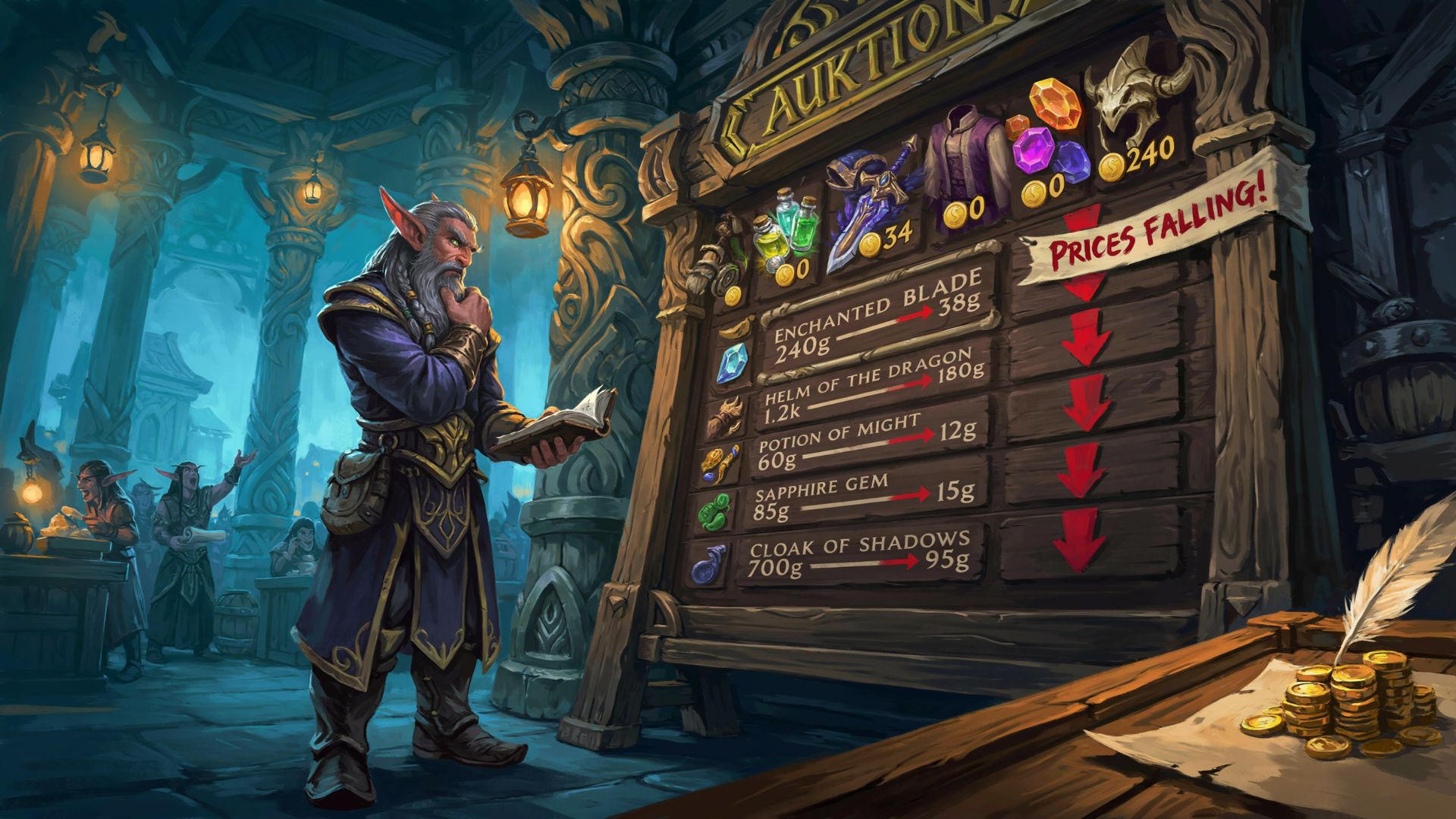
This is roughly what “buying the dip” means in crypto after a well-known project is hacked. The price of its token drops sharply because fear spreads faster than facts. If the project is fundamentally sound and has a credible path to recovery, that drop can be temporary. Buying during the fear is a bet that the temporary discount will close.
What a Hack Actually Does
In crypto, a hack usually means someone found a weakness in code or in how a system is operated and used it to move value without permission. It can be a flaw in a smart contract (a piece of code that automatically moves money according to rules), a bridge that moves assets between different blockchains, an exchange’s hot wallet, or a governance process that was too easy to manipulate. The stolen funds are gone from the project’s control. Users may lose money. The team scrambles to pause the system, explain what happened, and decide whether and how to make people whole.
The token price almost always falls. Part of the fall is rational: the project is worth less if it has lost assets or reputation. Part of it is mechanical: leveraged traders are forced to sell, liquidity providers pull out, and algorithms react to the sudden volume. The rest is pure uncertainty. No one knows yet whether the team can contain the damage, whether users will come back, or whether the same weakness exists elsewhere in the system.
That uncertainty is where the dip appears. The market is not calmly pricing a known loss. It is pricing the possibility of a much larger, longer-lasting loss. If that larger loss does not materialize, the price can recover even if the original theft is never fully reversed.
When Recovery Is Plausible
Not every hacked project has a realistic chance of recovery. The ones that do tend to share a few traits.
The core product still works or can be restored without rewriting the entire system. A single bug that is patched is different from a design that was fundamentally unsafe. The team communicates clearly, shows evidence of the fix, and does not disappear. There is some form of insurance, a reserve fund, or a plan to compensate affected users so the project does not simply abandon them. The user base is large enough and sticky enough that many people have reasons to return once the immediate danger passes. And the project’s value does not depend entirely on the token’s price; people still want the underlying service.
When those conditions are present, the drop in token price is often larger than the permanent damage. The market has priced in the worst plausible outcome. If the team executes and users return, the gap between the panicked price and the recovered price is the opportunity.
This is different from traditional finance in a few useful ways. A bank robbery does not usually change the bank’s charter or its customer relationships for long. A software company that suffers a data breach can rebuild trust if the product remains useful. Crypto projects can sometimes do the same, but the process is more public, faster, and more punishing because tokens trade continuously and anyone can exit in minutes. The same openness that makes the panic sharper can also make the recovery more visible once it starts.
Why the Dip Can Matter
Buying the dip after a hack is not a strategy of predicting the exact bottom. It is a recognition that fear and forced selling can push prices below the level that even a damaged but recoverable project deserves. If you already believed the project was solving a real problem and had competent people working on it, a temporary shock that does not destroy those two things can create a better entry price than you would have found in calmer times.
The bet is that the market’s short-term reaction will be larger than the long-term impairment. That has happened enough times that the pattern is familiar. It has also failed enough times that no one should treat it as automatic. The difference is usually visible in the weeks after the hack: whether the team ships the fix, whether usage begins to return, and whether the token’s trading volume and liquidity stabilize rather than continue to drain away.
The Real Risks
Most hacked tokens do not fully recover their pre-hack price. Studies of past incidents show that the median token is still meaningfully lower six months later, and a large share never regain the ground they lost. Trust is not a switch that flips back on. Some users leave permanently. Developers may move to other projects. Regulators may pay closer attention. A second problem can appear while the first one is still being fixed.
Even when recovery is expected, the timeline is often longer than people hope. The initial bounce can be followed by months of slow rebuilding. During that time the broader market can fall for unrelated reasons, turning a project-specific dip into a general bear market. Capital that is tied up in the recovering token cannot be used elsewhere. And the emotional experience of watching a position go lower after you bought “the dip” is difficult; many people sell into the second wave of fear and lock in the loss.
There is also the possibility that the hack revealed something deeper than a single bug. A project that was already losing users, running out of runway, or dependent on unsustainable incentives can look briefly recoverable after a hack and then continue its decline once the news cycle moves on. In those cases the dip was not a discount on a good project. It was the beginning of the price adjusting to a worse reality.
How to Think About the Decision
The useful question is not “How far has it fallen?” It is “What has actually changed about the project’s ability to deliver value, and is there clear evidence that the change is temporary?”
Look for concrete signs rather than announcements alone: a working patch, restored functionality, users returning in measurable numbers, and a team that continues to ship. Consider the size of the loss relative to the project’s resources and user base. Ask whether the token’s utility still exists even if the price stays depressed for a while. And only use capital you can afford to leave untouched for the length of a recovery that may take longer than expected.
Buying the dip after a hack is ultimately a bet on resilience. It assumes that a project which was good before the incident can still be good after it, and that the market’s fear has overshot the permanent damage. That bet is sometimes correct. It is also frequently wrong. The projects that make it through tend to be the ones that treat the hack as a solvable engineering and trust problem rather than a reason to abandon the original purpose.
The ferry eventually left the harbor again. Not every ship does. The difference is rarely the size of the hole. It is whether the people on board still have a reason to get where they were going, and whether the crew can prove they know how to keep the water out next time.
Continue learning
Related articles you may find useful.
Oct 26, 2026
Dollar-Cost Averaging in Crypto
Dollar-Cost Averaging is one of the oldest and simplest ideas in investing, yet in the wild price swings of cryptocurrency it reveals a quiet, almost counterintuitive power.
Sep 21, 2026
How to idenfity good crypto projects
The goal is to own a few tokens whose job you can explain, whose workings you can inspect, whose demand you can imagine in a quiet market, and whose failure you can survive.
Sep 30, 2026
What are Stablecoins?
The distinctive thing about stablecoins is not that they are exciting, it's that they are trying, on purpose, not to be.